Today we will be looking at the difference between foods that are high in carbohydrates and food with added sugar. We will also be looking at the negative health effects of diets with too much added sugar. I am going to define for you what a whole grain is. Show you some of the benefits of having whole grains in your diet. I’ll show you some examples of these different foods as well. Then i’ll identify the added sugar in these foods. After that I’ll show you a personal recipe using whole grains.

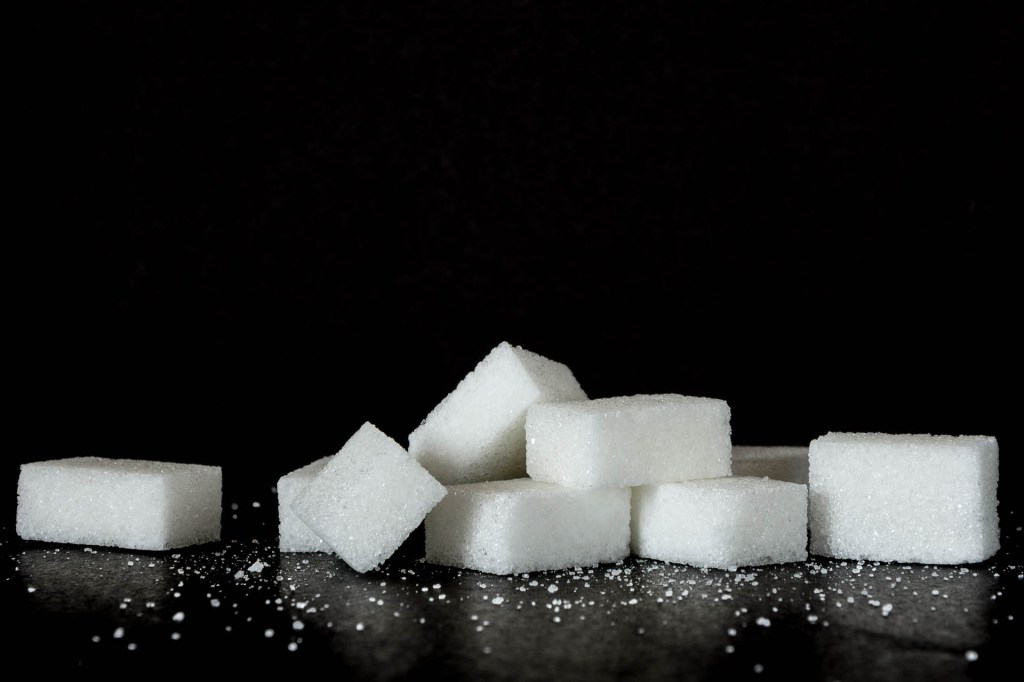
So, what is the difference between foods that are high in carbohydrates and foods with added sugar. Well lets first define these 2 terms. Carbohydrates are sugars, starches and fibers found in food (Szalay, 2017). It is a nutrient we need to function. We get our energy from it. It is what makes us get up and go. Harvard school of public health says, ” Carbohydrates provide the body with glucose, which is converted to energy used to support bodily functions and physical activity” (Harvard, 2019). Glucose is a type of simple sugar. These sugars get stored in our body and are used when called upon for energy. Added sugars are simple sugars that are added to processed food to sweeten them. Both carbohydrates and sugar are received the same way by the body but one occurs naturally within food while the other is added as extra to highly processed food. Foods like bananas, quinoa, and sweet potato are high in carbs which is good for you because your body can take those natural sugars and convert them into energy. Foods like soft drinks, breakfast cereal, and fruit juices are high in added sugar that the body processes and uses for energy. There is just one issue, foods with added sugar usually have too much sugar and the body ends up having to store the excess sugar. That is how we add extra fat ourselves because are body has to store all this extra sugar not being converted into energy. Foods with added sugar are highly processed and make up a huge chunk of the North American diet. This is part of the reason there are so many health issues on North America.
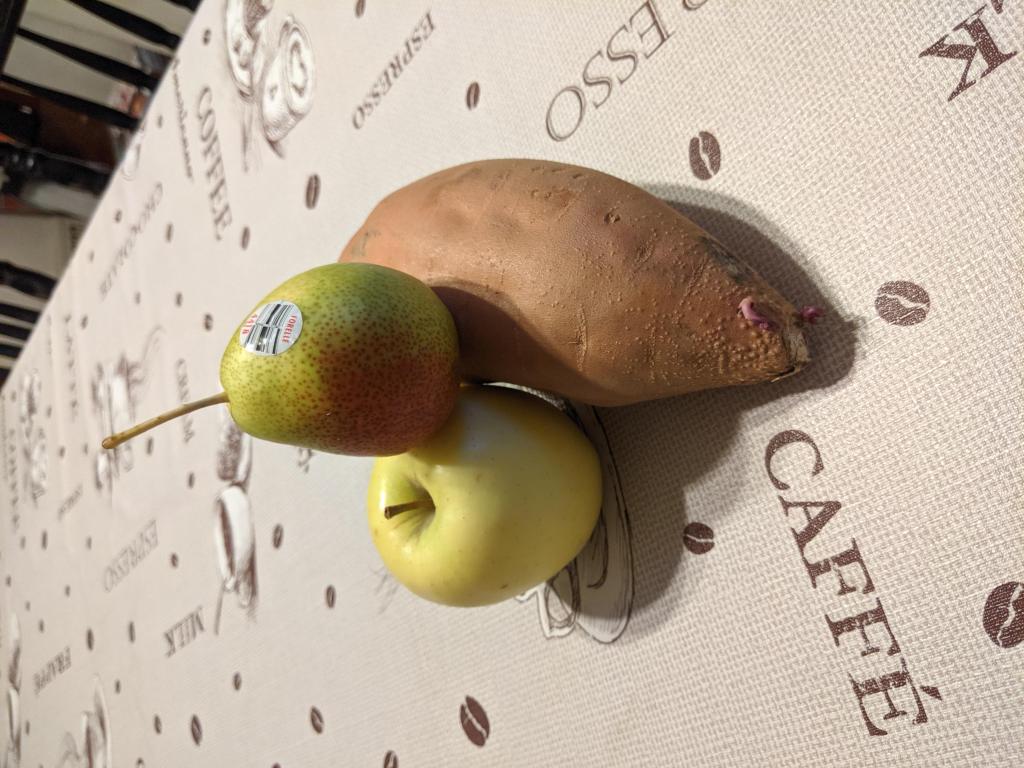
This image is an example of a carbohydrate
Having too much added sugar in your diet can pose as an unwanted health risk. Too much of anything in a diet is no good for you but too much sugar puts an extra strain on your body. In an article by Jillian Kubala, 11 Reasons Why Too Much Sugar Is Bad For You, Kubala discusses the added health risks associated with a diet that has too much added sugar. Kubala says, added sugar can cause weight gain, increase your risk of heart disease, type 2 diabetes, and cancer (Kubala, 2018). She also says added sugar has been linked to acne, depression, skin aging, a fatty liver, and drained energy levels (Kubala, 2018). The last point she made is interesting. Drained energy levels. We usually you sugar to increase out energy levels but if you have to much it could actually lower them. That is because too much added sugar will cause a spike in your blood sugar which will quickly be followed by a crash (Kubala, 2018). A person looking to have a healthy diet should get their sugars from natural sources like fruits and vegetables and not high processed foods.
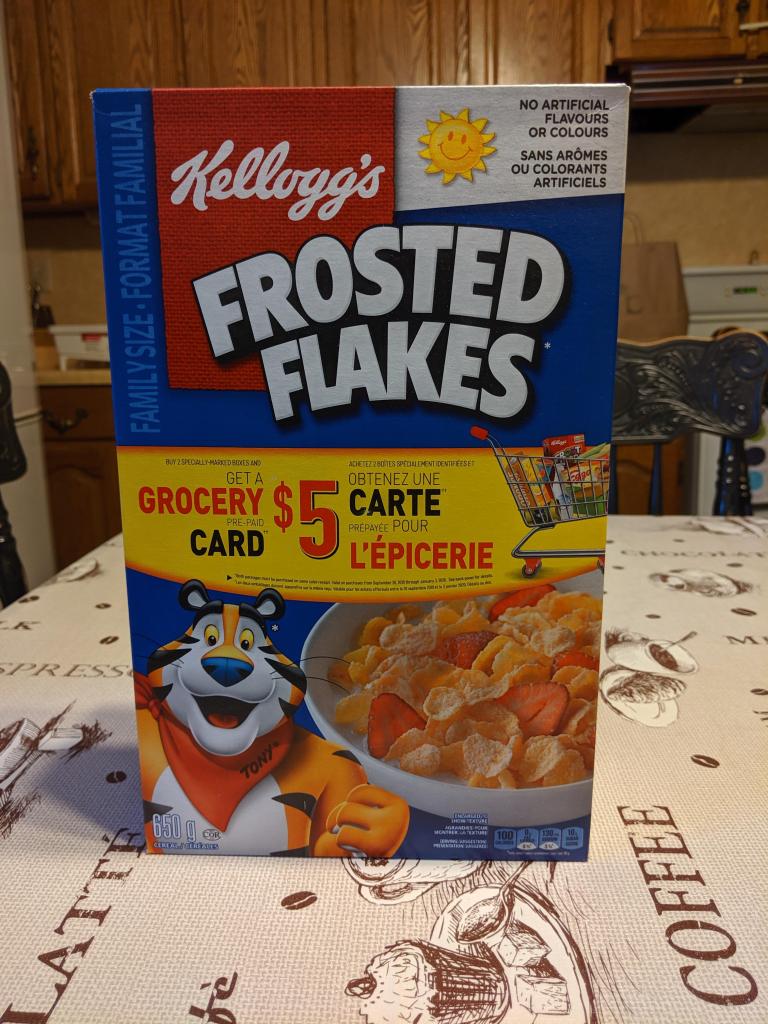
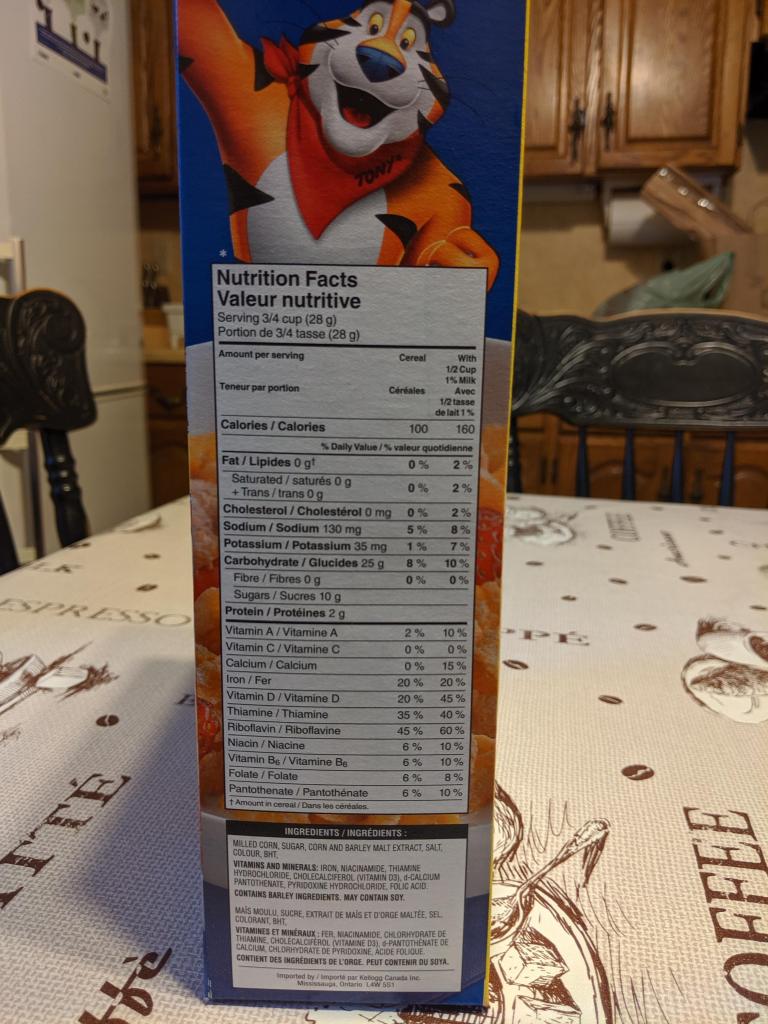
This image is an example of a food with added sugar
In the above image is an example of a food with added sugar. It is breakfast cereal. There are 2 types of sugar added to this food, regular sugar and corn and barely malt extract. There is 10 grams of sugar for every half cup of cereal. That is equivalent to 10 sugar cubes. That is way too much sugar for that serving size.

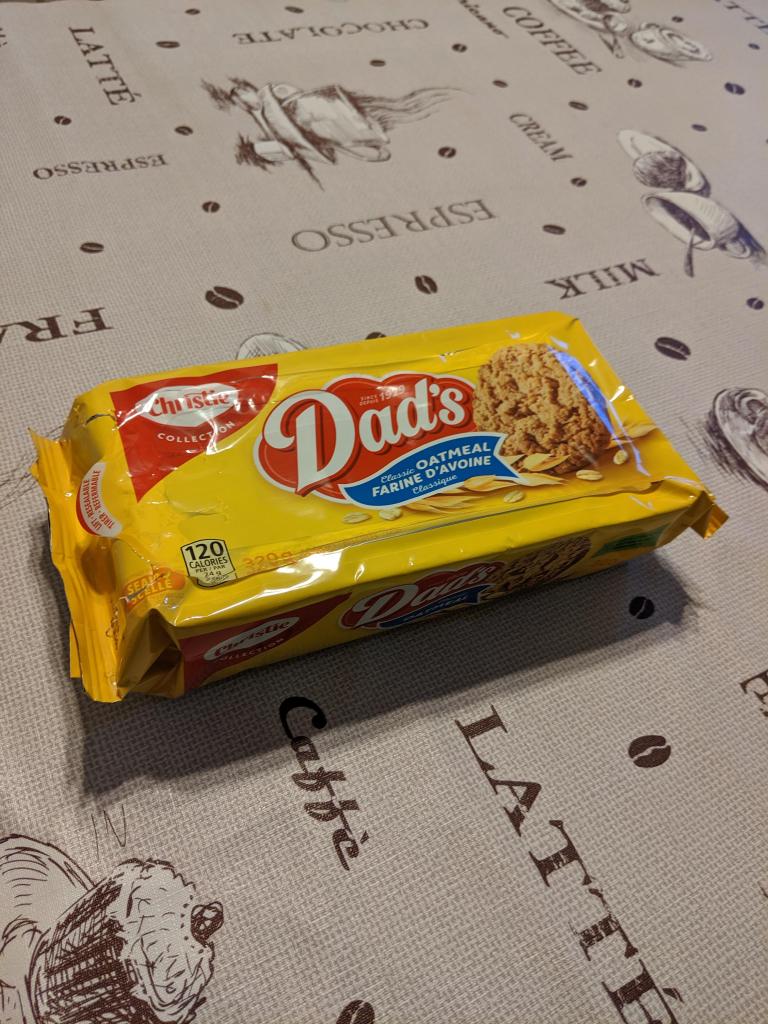
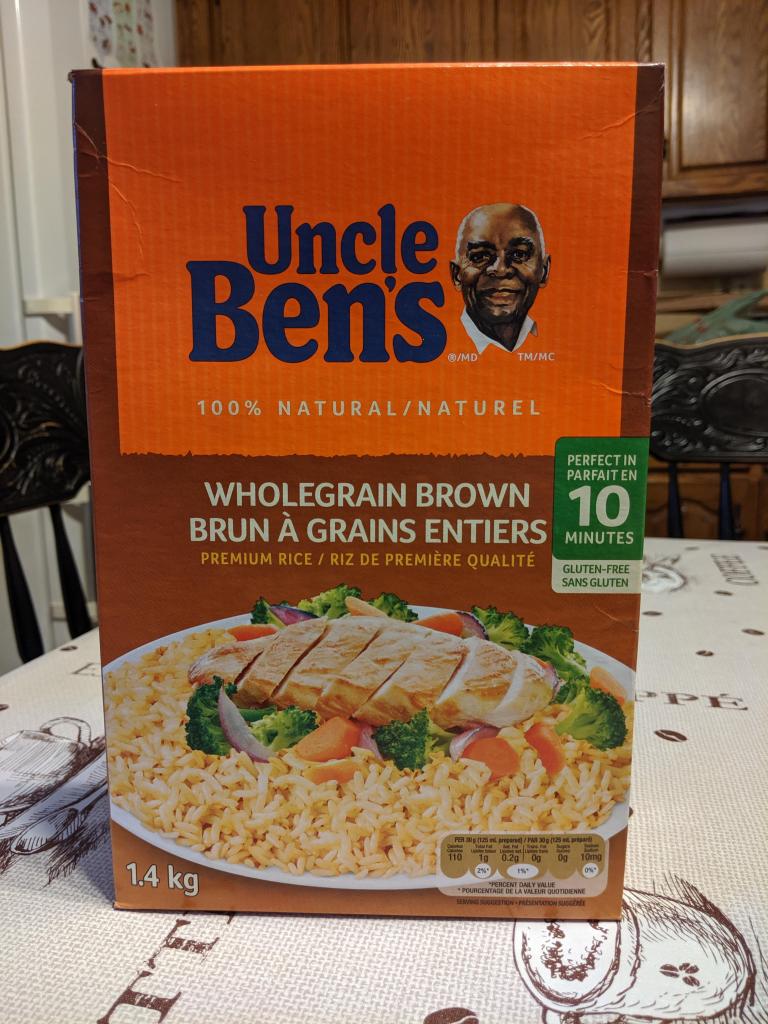
Whole grains are a key component to any healthy diet. But what is a whole grain. A whole grain is an untouched grain in either in whole or flour form (Mayo Clinic, 2017). That means that the bran, germ, and endosperm are all included. Some examples of whole grains are barley, brown rice, buckwheat, oatmeal, popcorn, whole-wheat bread and pasta. Below I have 2 examples of whole grains, oatmeal cookies and brown rice, both of which were found in the pantry and can be found at any grocery store. There are benefits to including whole grains in your diet. Whole grains have a higher source of fiber and nutrients, such as B vitamins, iron, folate, selenium, potassium and magnesium (Mayo Clinic, 2017). Whole grains have also been known to lower the risk of heart disease, stroke, and type 2 diabetes (Jennings, 2019). Making the switch to whole-grains should be easy. Start with replacing the toast, then move on to to cereals. This way you start adding whole grains into your diet.
Irish Soda Bread
- bread flour 155g
- whole wheat flour 125g
- wheat bran 20g
- baking soda 9g
- salt 2g
- cold butter 60g
- buttermilk 305g
- add all dry ingredients to a bowl
- add butter and rub in till butter is size of peas
- add buttermilk and mix by hand
- knead for 1 minute on a floured surface
- make dough into size of ball you desire, usually into 3 equal pieces
- sprinkle with flour and score an “X” on top
- bake at 220C for 20 minutes


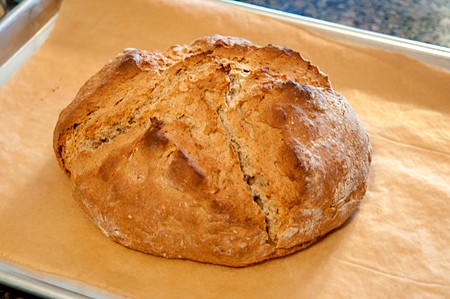
This is a really fun, fast and easy recipe to make. The ingredients are all things you can easily find at your local grocery store for pretty cheap. One of the only challenges I had while making my bread is getting my oven to work properly and cook the bread at an even temperature. I would definitely make this again, it is great for a quick bread to home.
Bibliography
- Szalay, J. (2017, July 15). What Are Carbohydrates? Retrieved from https://www.livescience.com/51976-carbohydrates.html.
- Harvard School of Public Health. (2019, May 22). Carbohydrates. Retrieved from https://www.hsph.harvard.edu/nutritionsource/carbohydrates/.
- Images retrieved from personal photos and pixabay.com
- Kubala, J. (2018, June 3). 11 Reasons Why Too Much Sugar Is Bad for You. Retrieved from https://www.healthline.com/nutrition/too-much-sugar.
- Mayo Clinic. (2017, July 18). The whole truth about whole grains. Retrieved from https://www.mayoclinic.org/healthy-lifestyle/nutrition-and-healthy-eating/in-depth/whole-grains/art-20047826.


 Gianluca Blogs